
Gravel Bikes in West LA
One bike for pavement, dirt, and everything between.
Here is a quiet truth about riding in West LA: this is gravel country. The Westside is laced with fire roads that start where the pavement ends, which makes the gravel bike arguably the most useful machine a rider here can own. Bike Improve has spent more than fifteen years building and servicing bikes for exactly this terrain, and gravel is the category that comes closest to a single answer for how most people actually ride: to the trailhead on tarmac, up a dirt fire road, and home past a coffee stop.
A gravel bike is the versatile middle ground between the road bikes page and the mountain bikes page. If your riding is pure pavement, the road is faster. If it turns rocky and technical, the mountain is the tool. For nearly everything in between, and for the Westside’s endless fire roads in particular, gravel is hard to beat.
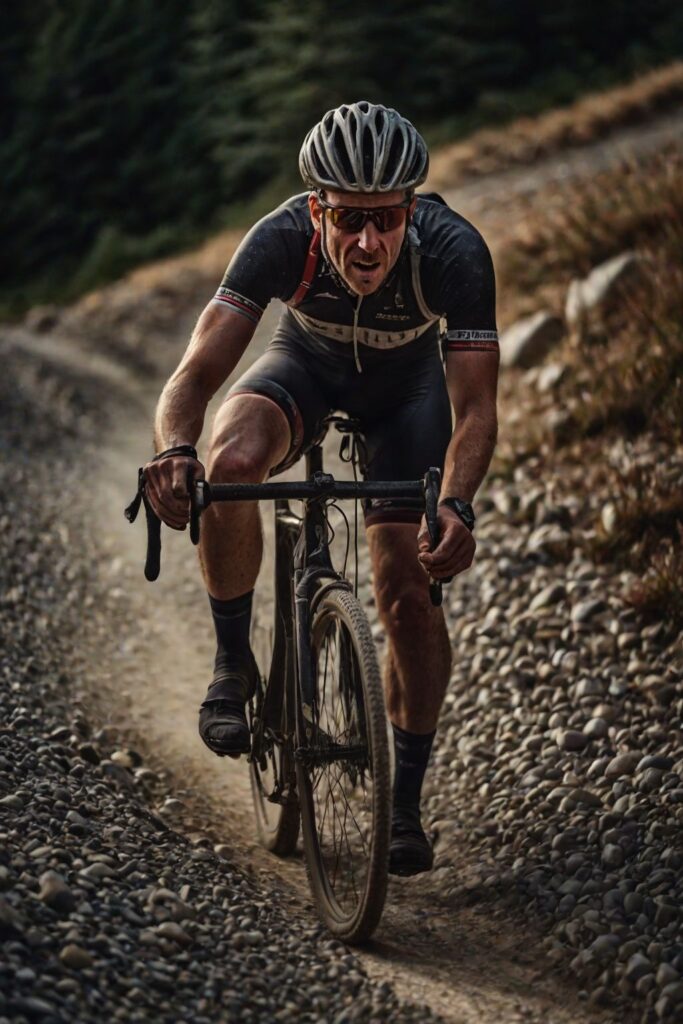
What Makes a Gravel Bike Different?
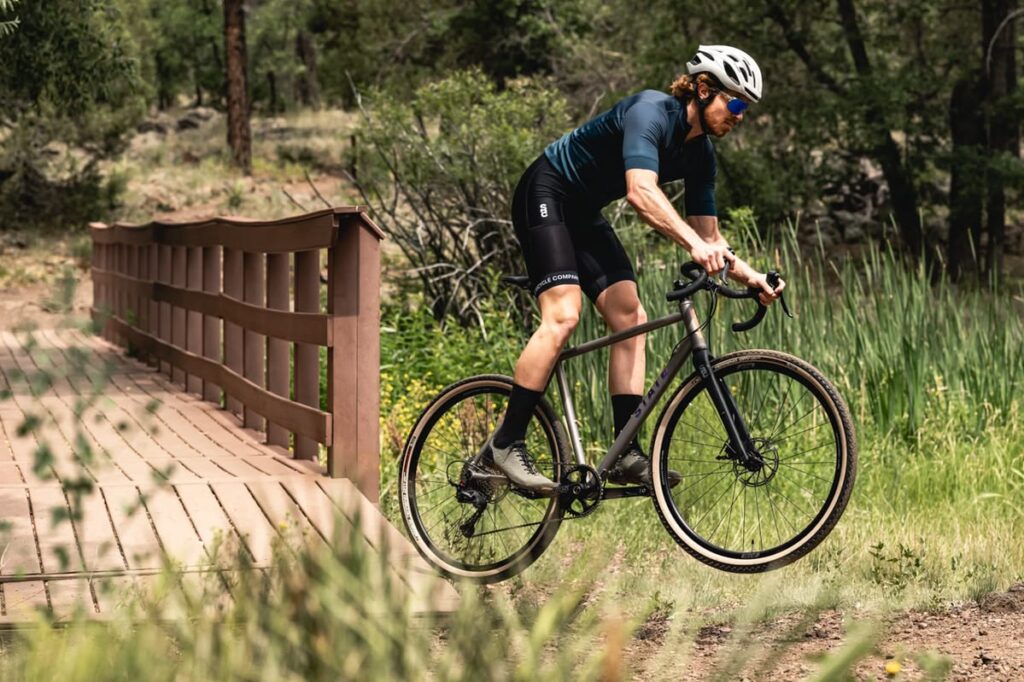
A gravel bike looks like a road bike that went off to see the world. It keeps the efficient drop-bar position but adds clearance for much wider tires, a more relaxed and stable geometry, powerful disc brakes, and usually mounts for bags, racks, and extra bottles. The result is a bike that stays quick on pavement yet stays composed on dirt, loose gravel, and rough back roads.
Quick way to place yourself:
- Gravel vs. road: a gravel bike trades a little pavement speed for wide tires, comfort, and the freedom to leave the road entirely. If you have ever cut a road ride short because the fun turned to dirt, gravel is the fix.
- Gravel vs. mountain: gravel is lighter, faster, and far more efficient across smooth dirt and pavement, but it gives up ground when the terrain gets steep, rocky, or technical. Gravel handles everything up to real singletrack; past that, a mountain bike is the honest answer.
- Gravel vs. e-bike: electric gravel bikes exist and extend your range beautifully, at the cost of weight and price. That is covered on the e-bike page.
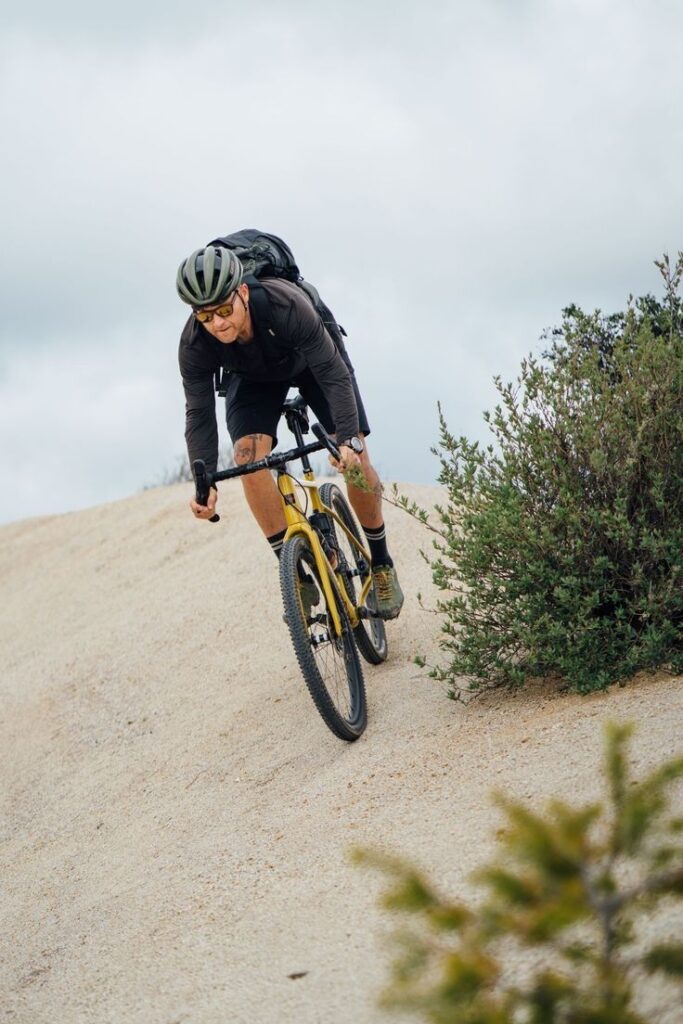
The Types of Bikes
Gravel is a spectrum, and where a bike sits on it comes down to a few choices.
Race and Performance Gravel
Lighter, with a quicker geometry and slightly narrower tires. Built to go fast on gravel races and fast group rides. Great if your rides are about pace and you already own a mountain bike for the rough stuff.
Adventure and Bikepacking Gravel
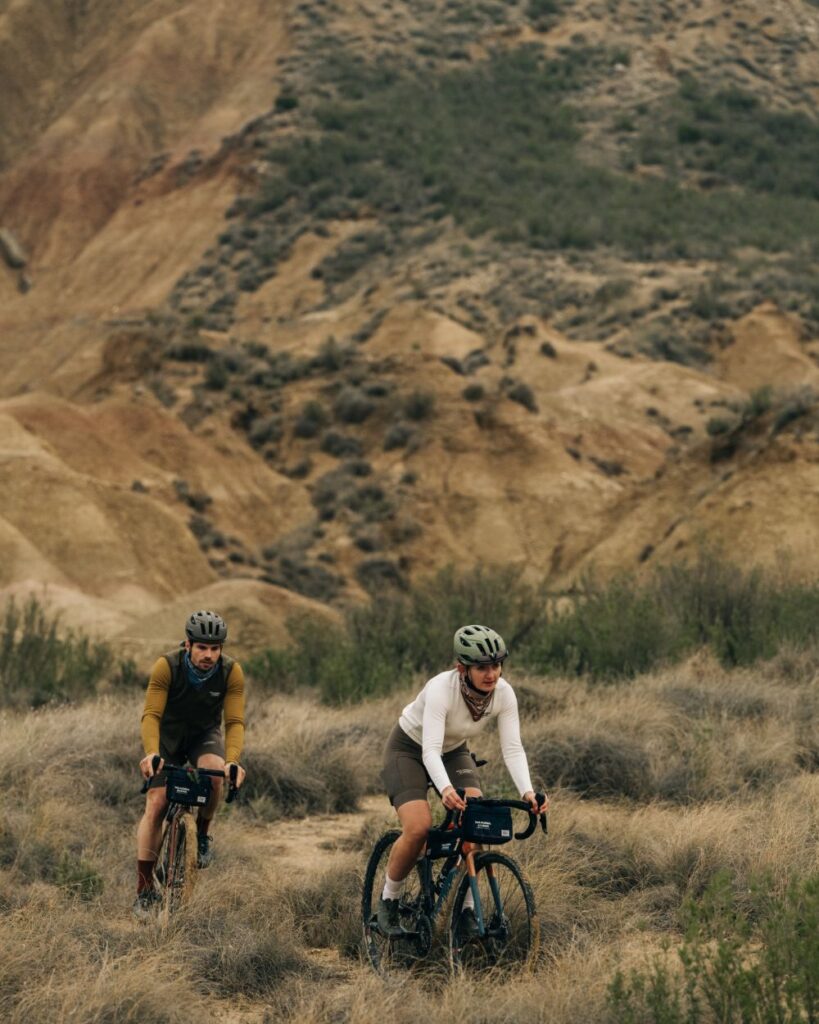
More relaxed, with clearance for the widest tires and mounts everywhere for bags and racks. Built for all-day comfort and loaded touring. This is the bike for the rider who wants to disappear up a fire road for the weekend.
The All-Rounder in the Middle
For most people, the sweet spot is a versatile gravel bike with room for 40 to 45mm tires, a comfortable geometry, and simple, reliable shifting. This is the true quiver-killer, and it is the bike most Westside riders should start with.
The Specs that Actually Define the Bike:
- Tire clearance. The single most important gravel spec. More clearance means bigger, grippier, more comfortable tires and more terrain you can take on. This is what separates a gravel bike from a road bike with slightly wider tires.
- Wheel size, 700c vs. 650b. A 700c wheel rolls faster and covers ground; a smaller 650b wheel fits an even wider tire for comfort and grip. Neither is wrong, and some bikes take both.
- 1x vs. 2x drivetrain. A single front chainring (1x) is simpler, quieter, and cleaner for dirt; a 2x gives a wider gear range for big climbs and fast pavement. Terrain decides.
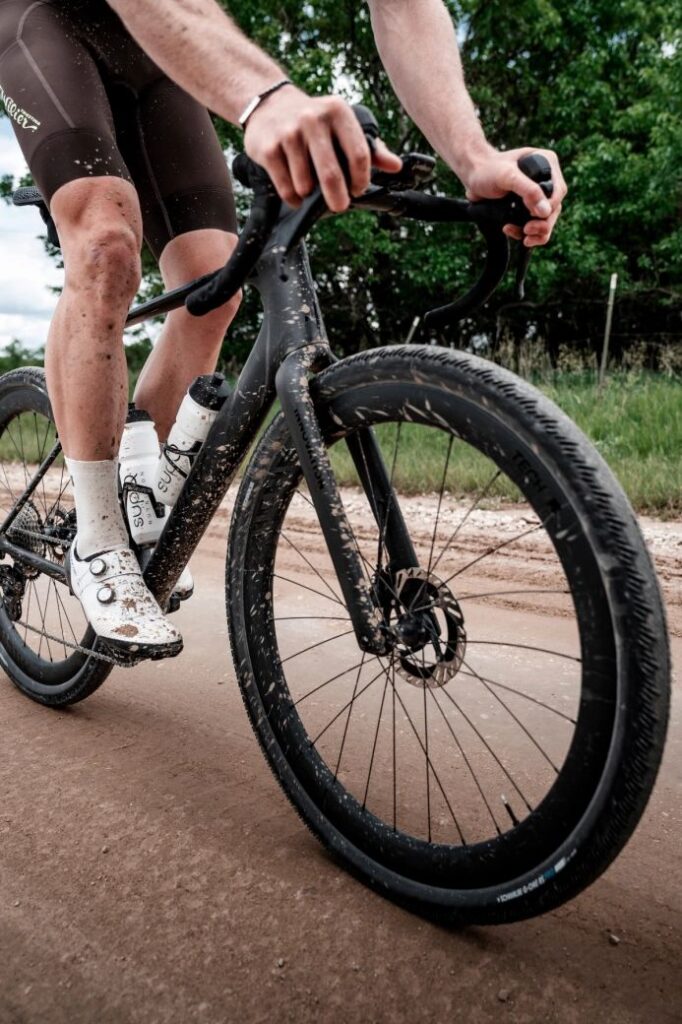
How to Shop for a Gravel Bike
The biggest gravel-buying mistake is chasing a spec sheet before sorting the fit. Reverse it.
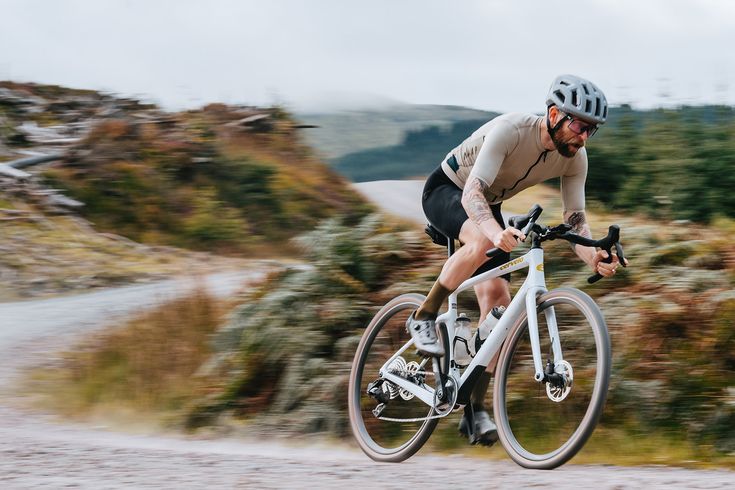
Get the Fit Right First
Drop-bar reach, saddle height, and bar width decide whether a long gravel day feels like freedom or a fight. A proper gravel bike fitting is the cheapest performance upgrade you will ever buy and the best insurance against the knee and back pain that cuts rides short. Book a bike fit here.
Buy for Tire Clearance, not just Today's Tires
Clearance is the one thing you cannot upgrade later. More room means more versatility as your riding grows, so favor a frame that can take a bigger tire than you think you need.
Match the Build to How you Actually Ride
Racing and Sunday fire-road cruising want different bikes. Be honest about your rides and the bike gets simpler to choose.
Go Tubeless from the Start
Gravel and pinch flats do not mix. A tubeless setup runs lower pressure for grip and comfort and seals small punctures on the fly, which is why nearly every serious gravel bike runs it. Plan for it up front.
On brands: most reputable gravel brands make genuinely good bikes at a given price, and what separates them is geometry, clearance, and fit rather than marketing. A test ride and a fit beat a spec comparison every time. Tell us how and where you ride, and we will point you to the right one.
Recommendations by Rider Level and Need
New to Gravel, Coming from the Road: Start with a versatile all-rounder: relaxed geometry, room for 40mm tires, and simple 1x shifting. It feels familiar off the road bike and opens up the entire Westside fire-road network overnight.
Committed and Riding Everything: A do-it-all gravel bike with generous clearance and bag mounts. This is the point where a fit and a tubeless setup pay for themselves, because you are now riding far enough to feel every detail.
The Racer: Performance gravel: lighter, quicker, and set up for speed. Pair it with a dialed tubeless setup and a service schedule that keeps it fast.
As a rough market guide, entry, mid, and performance gravel builds each sit in a different price band; ask us for current pricing on what we actually stock rather than trusting a range you read online.
Special Cases:
- One bike for all of LA: this is gravel's home turf. If you want a single bike that commutes, hits the fire roads, and handles a weekend tour, the all-rounder is your answer.
- Bikepacking and touring: an adventure-geometry frame with full mounts. Come talk load-carrying and gearing with us before you buy.
- Big miles, big climbs, limited time: an electric gravel bike is worth a look (see the e-bike page).
- Terrain that turns truly technical: if your rides regularly include steep, rocky descents, a mountain bike may serve you better, and we will say so.
Where to Ride Gravel near West L.A
This is the fun part, because gravel riders here are spoiled, and most of the best terrain is close and legal. The Westside fire-road network is a genuine gravel paradise, and a lot of it starts right from the neighborhood.
- Westridge and Canyonback (Brentwood): The heart of Westside gravel. A network of fire roads through the Westridge-Canyonback wilderness that you can often reach by pedaling from your door, climbing toward the ridge with the whole basin opening up below.
- Dirt Mulholland to San Vicente Mountain Park: The fire-road spine of the Santa Monicas, connecting toward the old Nike missile site with its unbeatable view. Rolling, open, and made for a gravel bike.
- Topanga State Park: Beautiful and bike-friendly, but on the fire roads only. The singletrack is largely closed to bikes, and staying on the designated roads keeps you right with the rangers and is exactly the terrain a gravel bike loves anyway.
- Sullivan Canyon and Sullivan Ridge: A mellow canyon and a ridge climb that link neatly into the larger network for a longer day.
- The pavement-to-dirt loop: The signature Westside gravel ride: tarmac from the neighborhood, dirt up Westridge or Dirt Mulholland, and a coffee stop on the way home. One bike, no car.
- Worth the drive: For rolling, wide-open gravel bliss, Cheeseboro and Palo Comado Canyons in Agoura are the closest dream terrain, about thirty to forty-five minutes out and worth every mile.
We ride these. Come in and tell us where you are headed this weekend, and you will get a real route and real tire-pressure advice, not a printout.
Caring for your Gravel Bike
Gravel riding is hard on a bike in a specific way: dust and grit work into everything, and low-pressure tubeless tires need attention. Here is the schedule that keeps a gravel bike fast and reliable, with the service that handles each one.
Tubeless Setup and Maintenance
The defining gravel service. Sealant dries out and needs topping up, tires need reseating, and a good initial setup prevents burping and flats out on the road. See tubeless service.
Regular Tune-up
Fire-road grit is brutal on a drivetrain. A periodic tune-up catches chain and cable wear before it turns into a bigger bill.
Brake Bleed
Hydraulic disc brakes lose feel as fluid ages, and long dusty descents test them. A brake bleed restores full, confident stopping power.
Wash and Detail
Grit is not cosmetic; it accelerates drivetrain and bearing wear. A proper wash and detail after dusty rides genuinely extends the life of the bike.
Custom Builds and Upgrades
Building the ideal gravel rig from the frame up, or upgrading the one you have, is what we do best. Start a custom build.








Why Choose Bike Improve?
Fifteen-plus years on the Westside, riding the same fire roads we set your bike up for. Your gravel bike is built and serviced by a single, experienced builder, so the person who dialed your tubeless setup and your fit is the person who knows your bike. Come in, tell us how and where you ride, and leave with a gravel bike that fits you and a plan to keep it fast.
Frequently
Asked Questions
Everything you need to know about choosing, buying, and maintaining your Gravel Bike.
What is a gravel bike used for?
A gravel bike is built to ride both pavement and unpaved surfaces like dirt roads, fire roads, and light trails. It keeps the efficient drop-bar position of a road bike but adds wider tires, more stable geometry, and disc brakes, making it the most versatile bike for riders who want to go anywhere on one machine.
Gravel bike vs. road bike, which should I get?
Choose a road bike if nearly all your riding is on pavement and speed is the priority. Choose a gravel bike if you want to ride dirt and fire roads too, or if you want more comfort and tire clearance. In West LA, where paved roads lead straight into fire roads, gravel is often the more useful choice.
Can a gravel bike be my only bike?
For most riders, yes. A gravel bike commutes, handles long road rides, and takes on dirt and light trails, which is why it is often called a quiver-killer. It gives up some outright speed to a road bike and some technical capability to a mountain bike, but it does more things well than either.
What tire width do I need for a gravel bike?
Most riders are well served by tires in the 38 to 45mm range, which balances speed, grip, and comfort. Faster, smoother routes favor narrower tires; rougher terrain favors wider ones. The more important question is frame clearance, since that sets how wide you can ever go.
Do I need suspension on a gravel bike?
Most gravel bikes have no suspension and do not need it, relying on wide tubeless tires at low pressure for comfort and grip. Some adventure bikes add a small suspension fork or a suspension seatpost for very rough terrain, but that is the exception rather than the rule.