
Mountain Bikes in West LA
Built for dirt, sized for you, serviced for the long haul.
Bike Improve has been putting West LA riders on the right mountain bike and trail bike, and keeping it running after the honeymoon ends. A mountain bike is the most demanding machine in the shop: suspension that needs servicing, brakes that need bleeding, and a fit that has to be dialed for climbing fire roads in the morning and descending them faster in the afternoon. Getting the bike right is the easy part. Keeping it right is where a local shop earns its keep.
If your riding lives on pavement, the road bikes page is the better starting point. If you want one bike that handles both, look at gravel. But if the plan is dirt, climbs, and the occasional rocky descent, this is your category.
What Makes a Mountain Bike Different?
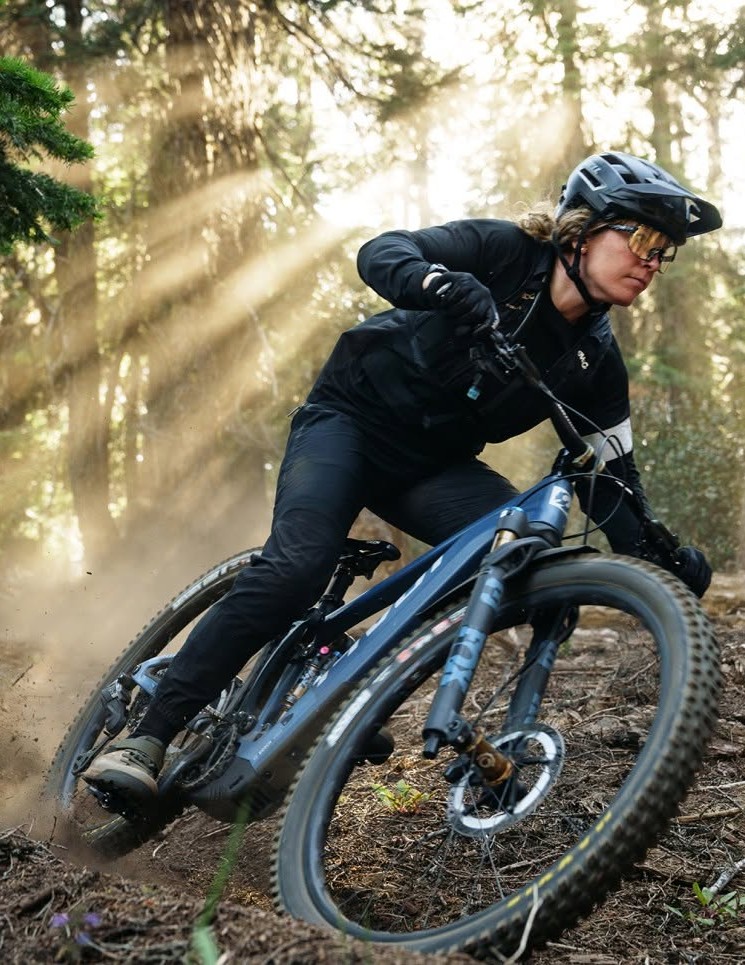
A mountain bike is built to absorb impact and hold traction on loose ground, and every design choice follows from that. Compared to a road bike, expect flat or riser handlebars for control, wide knobby tires for grip, suspension to soak up rocks and roots, powerful disc brakes, a wide gear range for steep climbs, and slacker, more stable geometry. The tradeoff is weight and rolling speed on pavement, which is exactly why the right tool matters.
Quick way to place yourself:
- Mountain vs. road: dirt, control, and durability versus pavement, speed, and efficiency. Different jobs, not better or worse.
- Mountain vs. gravel: gravel bikes use drop bars and stay light and fast across mixed surfaces, but they give up ground the moment the terrain turns technical. A mountain bike is the answer when the descent gets rocky.
- Mountain vs. e-bike: electric mountain bikes exist and are excellent for extending range or flattening big climbs, at the cost of weight and price. That is its own conversation, covered on the e-bike page.
The Types of Mountain Bikes, in Plain Terms
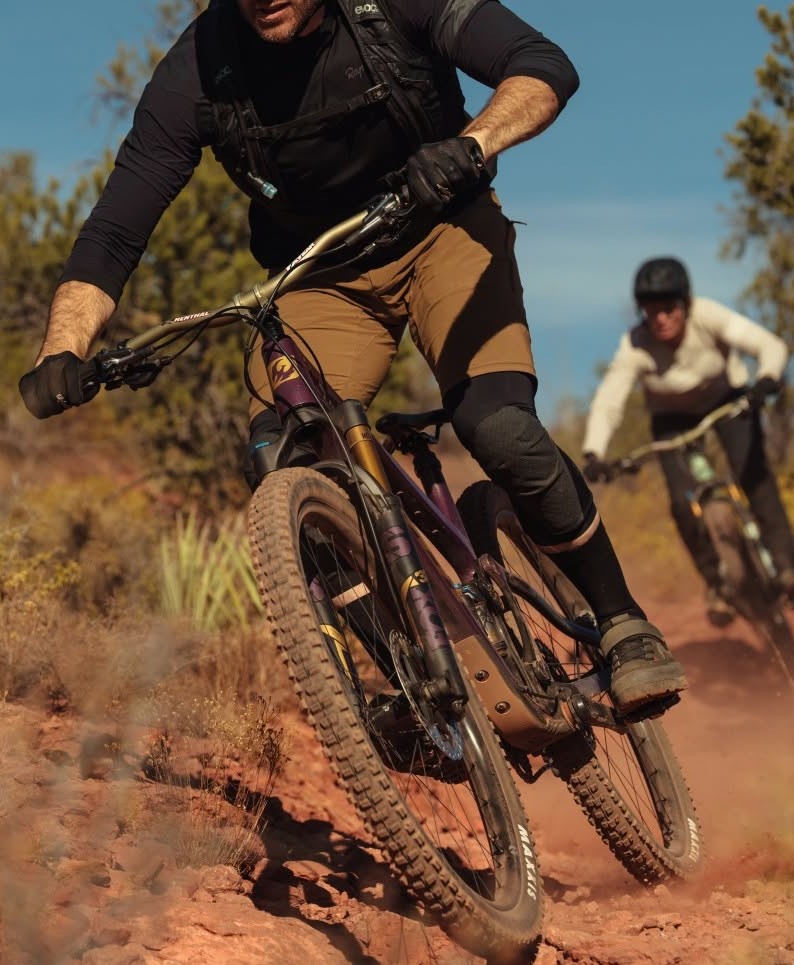
Two decisions define almost every mountain bike: how much suspension, and how much travel.
Hardtail vs. Full Suspension
A hardtail has a suspension fork up front and a solid rear. It is lighter, cheaper, easier to maintain, and an efficient climber, which makes it a genuinely smart choice for the fire-road riding that dominates the Westside. A full-suspension bike adds a rear shock for comfort and control on rough, technical descents, at the cost of more weight, more money, and more service. For a lot of LA riders, a quality hardtail is more bike than a mediocre full-suspension at the same price.
Travel Categories
Travel is how far the suspension compresses, measured in millimeters, and it maps to how the bike wants to be ridden:
- Cross-country (XC), roughly 100 to 120mm. Light and efficient, built to climb and cover ground. This is the sweet spot for Sullivan Canyon, Dirt Mulholland, and the long fire-road grinds that define riding here.
- Trail, roughly 120 to 150mm. The do-everything category. Climbs well enough, descends confidently, and handles the drive-to singletrack at Malibu Creek or Cheeseboro without complaint. If you are buying one bike, start here.
- Enduro and beyond, 150mm and up. Built to descend aggressively. Overkill for most Westside riding unless you are regularly shuttling or racing gravity.
Wheel Size
A 29-inch wheel rolls over obstacles and holds speed, which is why it dominates XC and trail. A 27.5-inch wheel is more playful and easier to throw around. Neither is wrong; the right one depends on your height, riding style, and what feels good underneath you. That is a conversation best had in person.
The single biggest mistake in mountain bike shopping is buying the frame first and worrying about fit later. Reverse it.
- Get the fit right first. Frame size is a starting point, not an answer. Reach, saddle height, cockpit width, and brake-lever position determine whether a bike feels like an extension of your body or a fight. A proper mountain bike fitting is the cheapest performance upgrade you will ever buy, and it prevents the knee and back pain that ends a lot of riding careers early. Book a bike fit here.
- Match travel to your terrain, not your ego. Be honest about where you will actually ride. Most Westside riders are better served by an XC or trail bike, the do-everything trail bike that climbs the fire roads and handles the descents, than by a heavy enduro rig that punishes them on every climb.
- Prioritize the parts that are expensive to upgrade. Frame, fork, and brakes are hard and costly to change later. Tires, saddle, and grips are cheap and easy. Spend where it counts.
- Plan for service from day one. Suspension and hydraulic brakes are consumables. A bike that is a joy at purchase becomes a liability if the fork is never serviced. Factor ongoing care into the decision, not just the sticker.
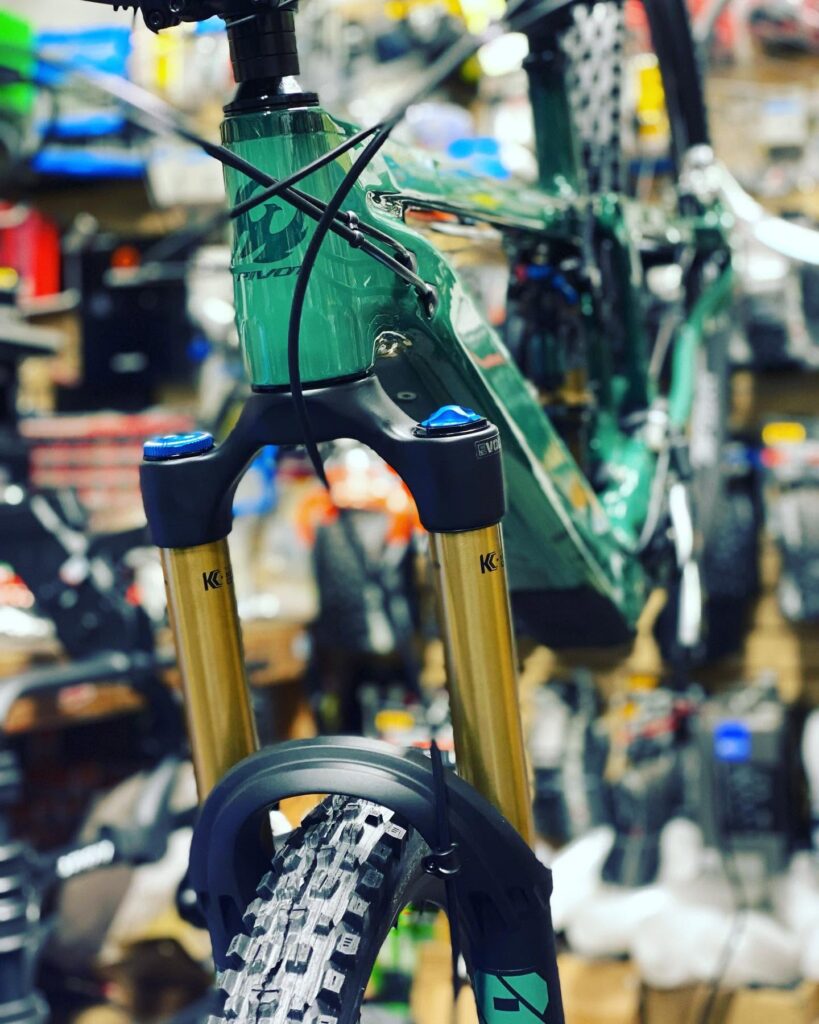
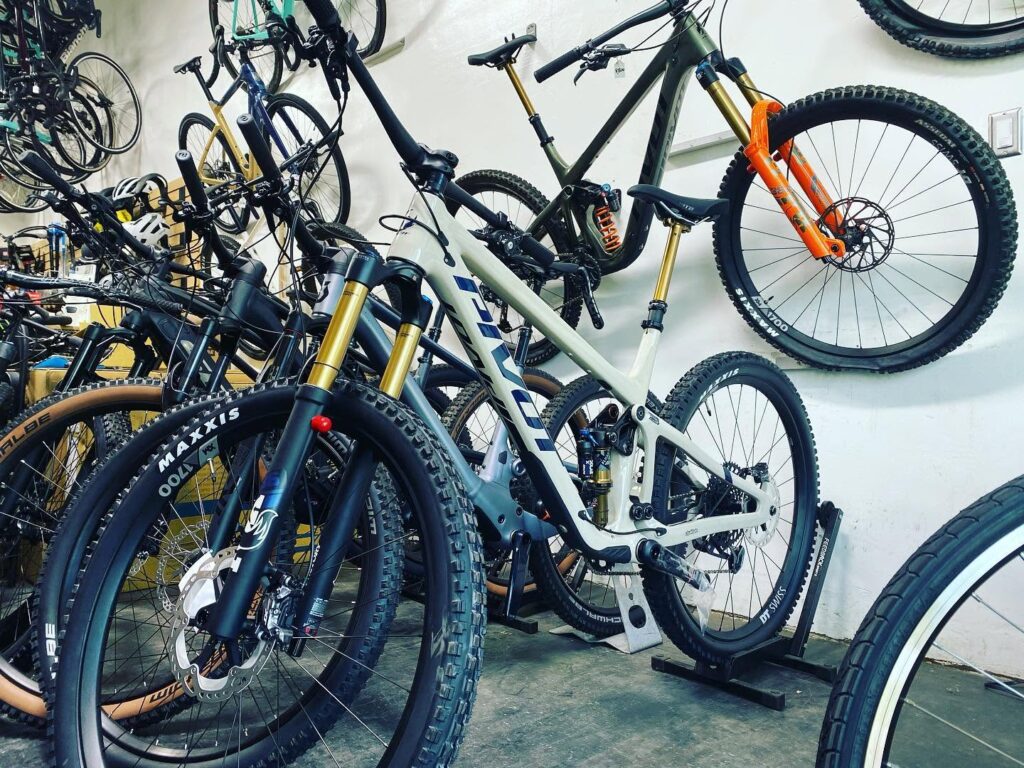
On brands: the mountain bike world is crowded, and the honest truth is that most major brands make good bikes at a given price. If you are cross-shopping the big names like Specialized or Trek, the trail bikes we stock from Scott and Pivot compete directly on spec and geometry, and we set up and service every one in house. What separates any of them is how the bike fits your body, which is why a test ride and a fit beat a spec sheet every time. Come tell us how and where you ride, and we will steer you to the right one.
Recommendations by Rider Level and Need
New to dirt. Start with a quality hardtail in the XC or trail range. It teaches good technique, costs less, and is far cheaper to maintain while you figure out what kind of riding you love. An entry-level hardtail with a decent fork and hydraulic disc brakes will take a beginner further than a bargain full-suspension with weak components.
Intermediate, riding regularly. A trail bike, hardtail or full-suspension, is the upgrade that unlocks the drive-to singletrack. This is the point where a fit and a component tune pay off, because you are now riding hard enough to feel the difference.
Advanced and terrain-hungry. Longer-travel trail or enduro, matched carefully to your riding. At this level the conversation is about tire choice, suspension setup, and a service schedule that keeps a hard-ridden bike reliable.
As a rough market guide, entry hardtails, capable trail bikes, and high-end builds each occupy a different price band; ask us for current pricing on what we actually stock rather than trusting a range you read online.
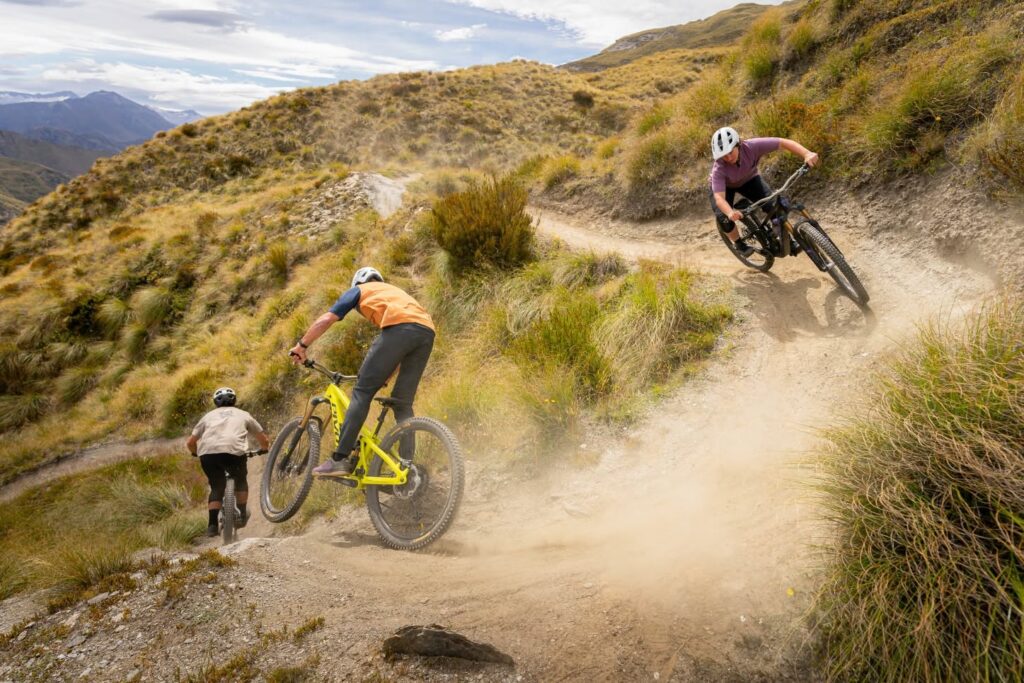
Special Cases:
- Big climbs, limited time: consider an electric mountain bike (see the e-bike page) to double your ride in the same window.
- Shorter or taller than average: wheel size and reach matter even more. This is exactly where a fitting stops a bad purchase before it happens.
- One bike for everything: if you split time between dirt and pavement, gravel may serve you better than mountain. Say so and we will point you honestly, even if it means a different page.
Where to Actually Ride Near West LA
Here is the part most shops get wrong, so read it before you plan a ride. The Westside is fire-road country. There is excellent legal riding close by, and there is a lot of famous-sounding trail that does not allow bikes. Knowing the difference is half of riding well here.
- Sullivan Canyon (Brentwood). A mellow, shaded canyon service road and a local classic. Ideal first dirt ride and a great after-work loop.
- Mandeville Canyon to San Vicente Mountain Park. The Westridge fire road climb up to the old Nike missile site is the signature Westside ride: a real climb, a big view, and it is legal for bikes.
- Dirt Mulholland. The fire-road spine connecting San Vicente Mountain to the Topanga area. Open, rolling, and a good way to link a longer day.
- Topanga State Park. Superb, but bikes are allowed on the fire roads only. The singletrack is largely closed to riding, so stick to the designated roads, and you will stay on the right side of the rangers.
- Backbone Trail. Sixty-seven miles across the Santa Monica Mountains, and bike-legal only on specific segments. Ask us which stretches are open before you load the car; getting this wrong is how people end up with a citation.
- Worth the drive. For true singletrack, Malibu Creek State Park (the Bulldog and Crags Road area) and Cheeseboro and Palo Comado Canyons in Agoura are the closest legal, quality options. Thirty to forty-five minutes from the Westside and worth every one.
We ride these. If you come in and tell us where you are headed this weekend, you will get real advice, not a printout.
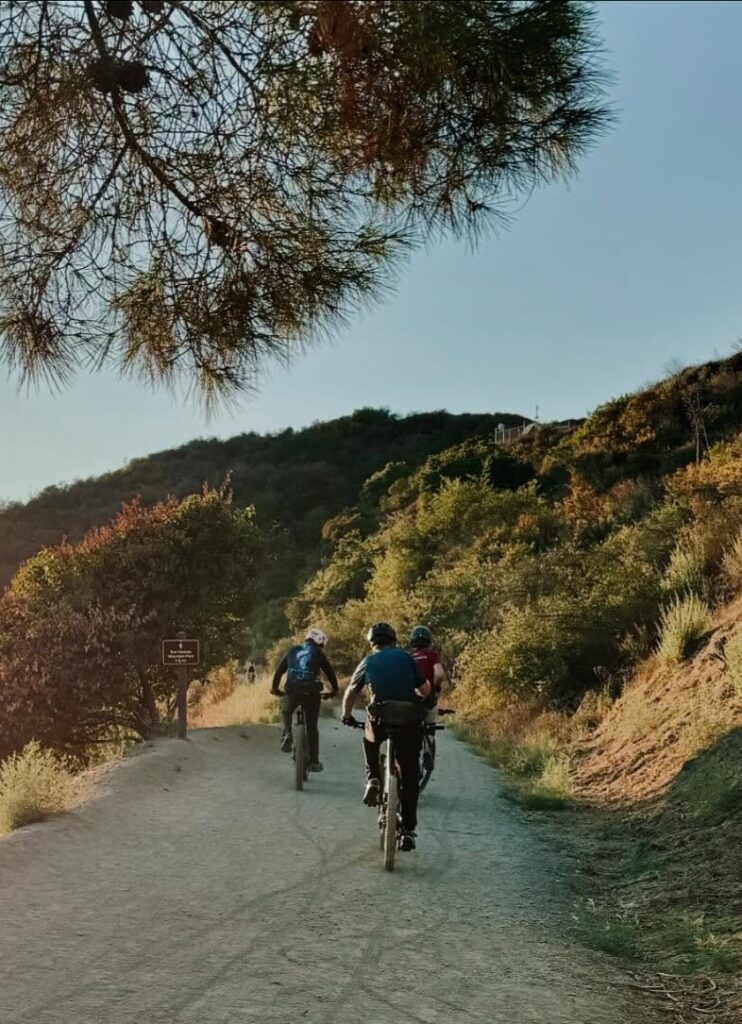
Caring for your Mountain Bike
A mountain bike takes more abuse than any other bike, so it needs more care. Neglect shows up as a fork that stops absorbing, brakes that fade on a long descent, and a drivetrain that grinds itself out early. Here is the schedule that keeps a bike alive, with the service that handles each one.
Suspension Service
Forks and rear shocks need periodic lower-leg service and eventually a full rebuild; running them dry ruins seals and costs far more later. This is the most-skipped service on any mountain bike and the one that matters most. See suspension and fork service.
Brake Bleed
Hydraulic disc brakes lose power and feel spongy when the fluid degrades or takes on air, which is exactly when you least want it on a steep descent. A brake bleed restores full stopping power.
Regular Tune-Up
Gears, bearings, and bolts all drift out of adjustment under trail vibration. A periodic tune-up catches small problems before they become expensive ones.
Wash and Detail
Dirt is not just cosmetic; grit accelerates drivetrain and pivot wear. A proper wash and detail after muddy rides genuinely extends the life of the bike.
Custom Builds and Upgrades
Building from the frame up, or upgrading a bike you love, is what we do best. Start a custom build.







Why Bike Improve?
Fifteen-plus years on the Westside, and the same engineering-first approach on every bike that leaves the shop. Your bike is built and serviced by a single, experienced builder, not passed down an assembly line, so the person who set your suspension is the person who knows your bike. Come in, tell us how and where you ride, and leave with a mountain bike that fits you and a plan to keep it running.
Frequently
Asked Questions
Everything you need to know about choosing, buying, and maintaining your Mountain Bike.
What is the difference between a hardtail and a full-suspension mountain bike?
A hardtail has a suspension fork in front and no rear suspension, making it lighter, more affordable, and easier to maintain. A full-suspension bike adds a rear shock for more comfort and control on rough, technical descents, at the cost of weight, price, and service. For the fire-road riding common in West LA, a quality hardtail is often the smarter choice.
What size mountain bike do I need?
Frame size charts based on height are only a starting point. The right size depends on your reach, riding style, and body proportions, which is why a professional fitting matters more on a mountain bike than almost any other type. A proper fit prevents knee and back pain and makes the bike easier to control.
Is a beginner better off with a hardtail or full-suspension?
Most beginners are better served by a quality hardtail. It costs less, teaches better technique, and is far cheaper to maintain, so more of your budget goes toward good brakes and a good fork rather than a mediocre rear shock.
How often should mountain bike suspension be serviced?
As a general rule, forks and rear shocks need a lower-leg or basic service every 50 hours of riding and a full rebuild every 100 to 200 hours, though it depends on the component and how dirty your riding is. Skipping suspension service is the fastest way to ruin seals and shorten the life of an expensive part.
Can you ride a mountain bike on the road?
Yes, but it is slower and less efficient than a road or gravel bike because of the wide knobby tires and suspension. If most of your riding is pavement with occasional dirt, a gravel bike is usually the better single choice.