
Electric Bikes in West LA
Beat the traffic, flatten the hills, arrive without breaking a sweat.
An e-bike changes what a bike can do in a city like Los Angeles. Hills stop being a reason to drive. A commute that felt too long becomes the best part of the day. And the errands that used to mean sitting in traffic turn into a quick, quiet ride down the Strand. Bike Improve has spent more than fifteen years fitting, building, and servicing bikes on the Westside, and the electric category is where a local shop matters most, because an e-bike is part bicycle and part electronics, and the electronics need someone nearby who knows them.
If you want the ride without the motor, the road, gravel, and mountain pages cover those. But if the goal is to ride more often, go farther, and let a motor take the sting out of LA’s hills and distances, this is your category.
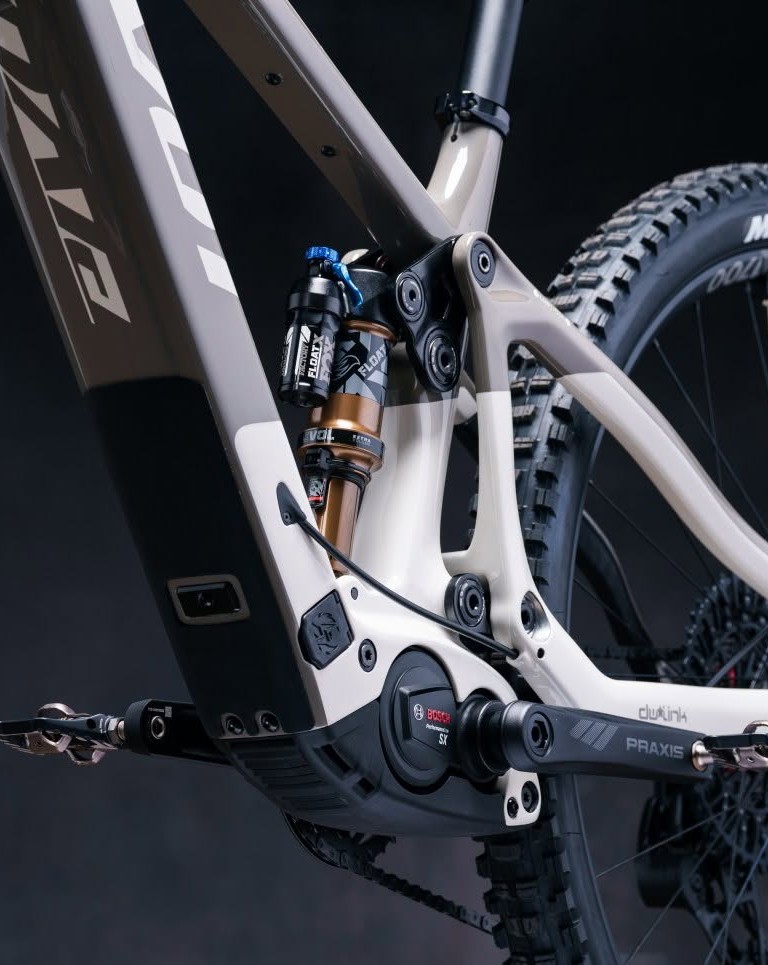
What Makes an E-Bike Different?
An e-bike is a bicycle with an electric motor and a battery that assist your pedaling. It still rides, steers, and stops like a bike, but the assist means you cover more ground with less effort, keep up with traffic, and climb hills that would otherwise stay off the map. The tradeoffs are real and worth knowing: an e-bike is heavier, costs more up front, needs charging, and asks a bit more of its brakes, tires, and drivetrain because of the added weight and speed.
Quick way to place yourself:
- E-bike vs. regular bike: more range, more speed, and far less effort, in exchange for weight, cost, charging, and a bit more maintenance. If effort or distance is what keeps you from riding, the motor solves it.
- Which e-bike: electric versions exist of every category on this site. An e-road bike keeps pavement speed with a boost, an e-gravel bike extends your range on the fire roads, and an e-mountain bike flattens the climbs on the trail. Commuter and cargo e-bikes are their own thing, built for city life.
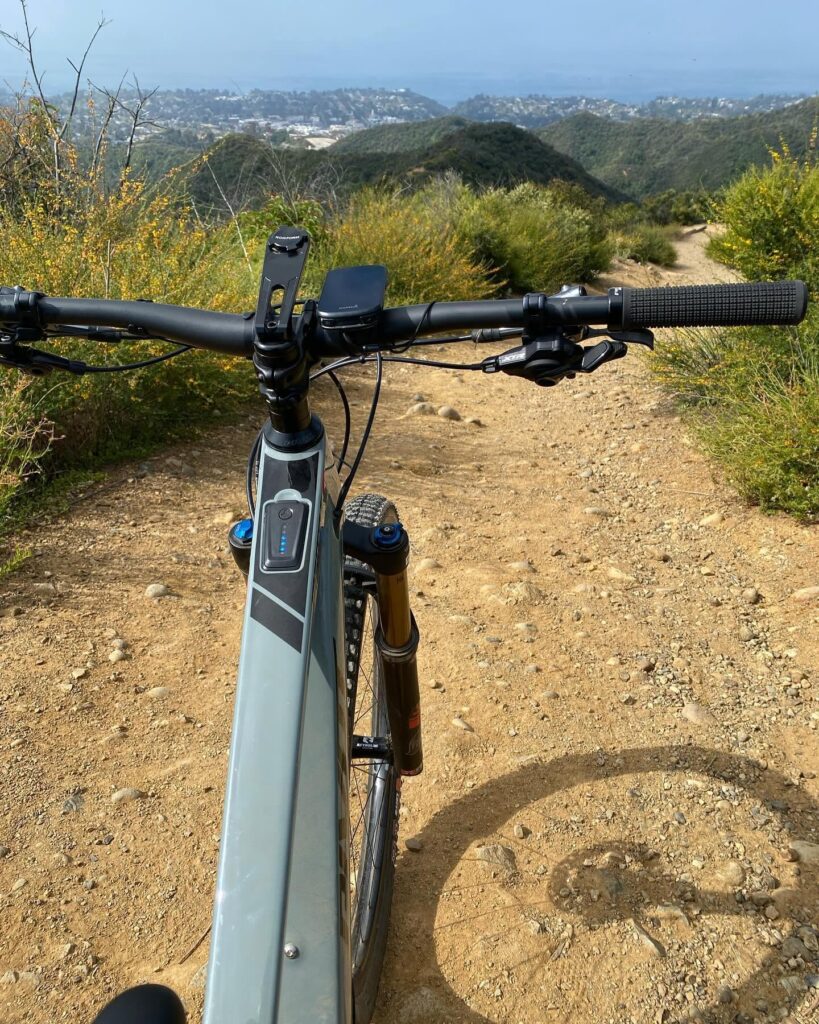
Understanding E-bike Classes (Class 1, 2, and 3)
Nearly every decision about an e-bike starts with its class, because the class determines how fast it assists, whether it has a throttle, and where you are legally allowed to ride it. California uses a three-class system:
Class 1: Pedal-Assist only, up to 20 Mph
The motor helps only while you pedal, and cuts out at 20 mph. This is the most widely accepted class, allowed on most bike paths, and the best starting point for most riders.
Class 2: Throttle-Assist, up to 20 Mph
Adds a throttle that can move the bike without pedaling, up to 20 mph. Popular for commuting and casual riding.
Class 3: Pedal-Assist only, up to 28 Mph
Faster assist for covering distance, with a required speedometer. Class 3 comes with more restrictions on where it can go and who can ride it (see the LA rules below).
Nearly every decision about an e-bike starts with its class, because the class determines how fast it assists, whether it has a throttle, and where you are legally allowed to ride it. California uses a three-class system:
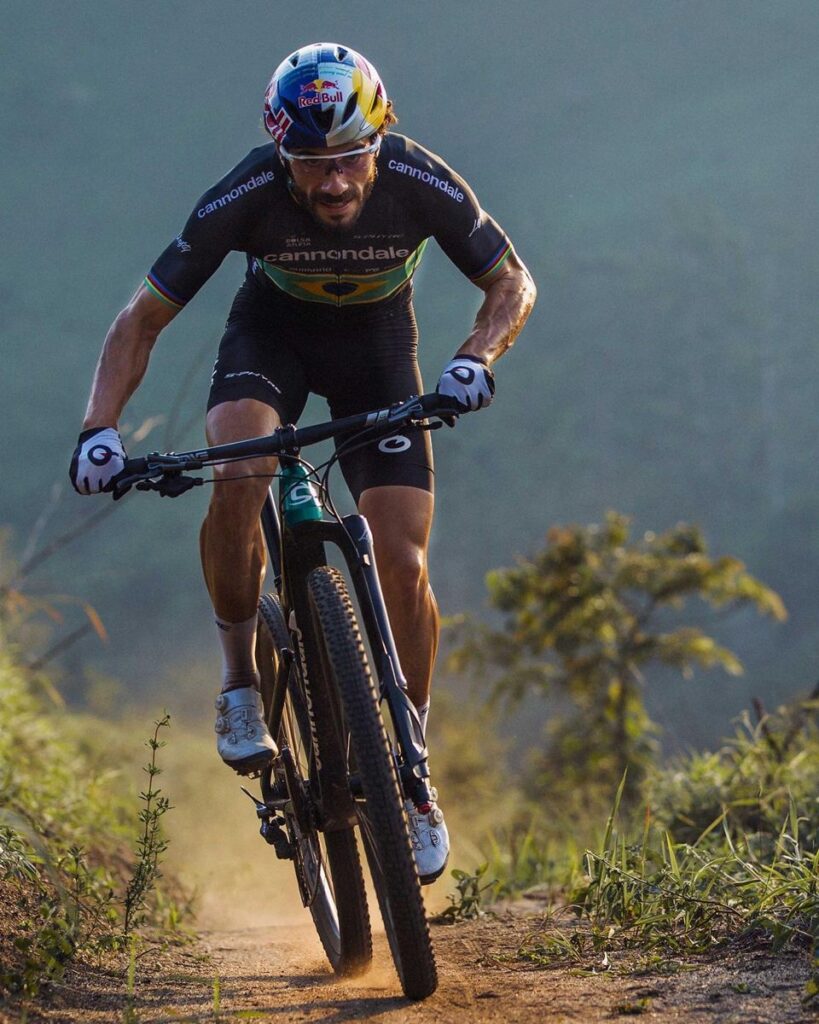
E-Bike Rules in Los Angeles
(what you actually need to know)
Here is the part that saves you a headache, and it is a big reason to buy from a shop that keeps up with the rules. The following is a general summary of California law and is not legal advice; local path and city rules change, so confirm current specifics with us or the relevant agency.
Where you can ride:
- Class 1 and Class 2 are generally allowed wherever regular bikes go, including most paved bike paths, unless a local agency posts otherwise.
- Class 3 is generally not allowed on paved bike paths and multi-use trails, and belongs in bike lanes and on roadways instead, unless a local agency specifically permits it.
- Dirt and natural-surface trails usually treat e-bikes as motorized, which means most singletrack and many park trails are off-limits to any e-bike. If you are eyeing an e-mountain bike, ask us where it is actually legal to ride before you buy.
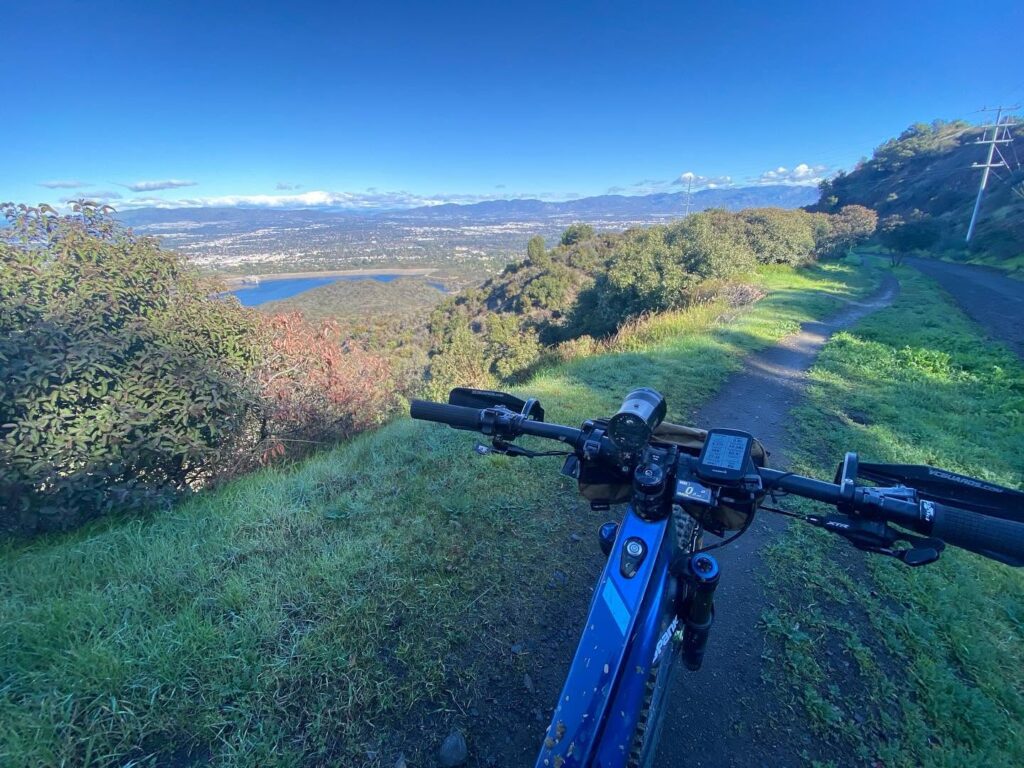
Statewide Rules (California):
- No license, registration, or insurance is required for any of the three e-bike classes.
- Motor power is capped at 750 watts.
- Helmets: anyone under 18 must wear a helmet on any e-bike, and every rider on a Class 3 e-bike must wear a helmet regardless of age.
- Age: you must be at least 16 to operate a Class 3 e-bike.
- Passengers: carry passengers only on an e-bike designed for them.
How to Shop for an E-Bike
E-bikes reward the same discipline as every other category, plus a few electric-specific checks.
Get the Fit Right First
A motor does not fix a bad fit, it just lets you ride a poorly fitting bike farther and faster into discomfort. A proper fitting is still the cheapest performance upgrade you can buy.
Buy Where you can get it Serviced
This is the one that trips people up. An e-bike bought online arrives in a box, and when the motor throws an error code or the battery needs diagnostics, there is no one nearby to help. A local shop with the right tools is the difference between a quick fix and a bike that becomes a paperweight.
Mid-Drive vs. Hub Motor
A mid-drive motor sits at the pedals, climbs LA’s hills better, and balances the bike’s weight nicely, at a higher price. A hub motor lives in a wheel, costs less, and is simpler, and it is plenty for flatter commutes and beach-path cruising.
Battery and Range
Look at real-world range for your rides, not the best-case number on the box. A removable battery is a genuine quality-of-life feature in LA, where a lot of riders live in apartments and need to carry the battery inside to charge.
Weight and Storage
E-bikes are heavy. If you carry it up stairs or lift it onto a car rack, that weight matters, so factor in where the bike will live and how it will move when it is not being ridden.
On brands: reputable e-bike brands back their motors and batteries with real warranties and a service network, which matters far more than it does on a regular bike. Buying a supported brand from a shop that can service it is the whole game. Tell us how you will ride and we will point you right.
Recommendations by Rider Level and Need
The commuter beats traffic: A Class 1 or Class 3 commuter with a mid-drive motor and a removable battery. Fenders, lights, and a rack turn it into a car replacement for the Westside.
The hill-flattener: LA has no shortage of climbs. A mid-drive motor with good torque turns a dreaded hill into a non-event and is worth the premium if your routes go up.
Errands, kids, and cargo: A cargo e-bike carries groceries, a child seat, or both, and genuinely replaces a second car for a lot of families. Come talk load and range with us.
Returning to riding, or riding with an injury: This is one of the best things an e-bike does. Pedal-assist lets riders come back after a knee, hip, or heart issue, or simply after years off, and ride comfortably with friends and family again. A Class 1 comfort e-bike is often the perfect fit.
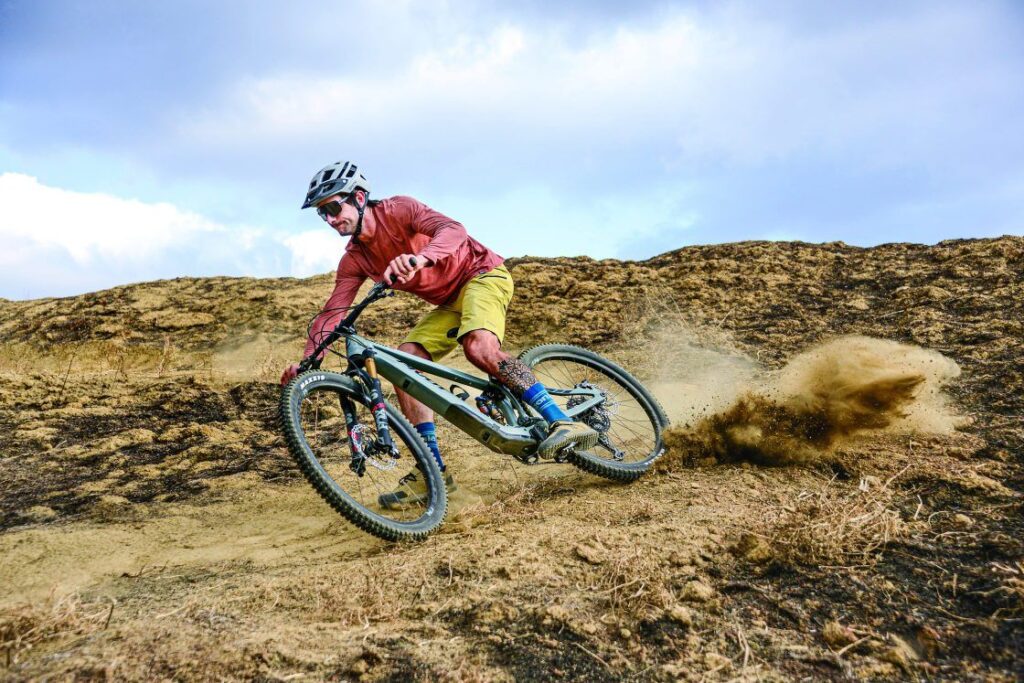
The trail rider: An e-mountain bike (almost always Class 1) flattens the climbs so you get more descents per ride. Just confirm trail legality first, because most dirt trails treat e-bikes as motorized.
E-bikes span a wide price range, and the cheapest ones often hide their cost in unsupported motors and batteries. Ask us for current pricing on bikes we actually stock and stand behind, rather than trusting a number from a direct-to-consumer ad.
Where to Ride an E-Bike near West LA
The Westside is full of flat, paved, e-bike-friendly routes, which is exactly what makes electric riding here so easy to fall in love with.
- The Marvin Braude Bike Trail (The Strand). The crown jewel: miles of car-free coastline from Pacific Palisades through Santa Monica and Venice and beyond. Flat, paved, and gorgeous, it is the definitive Westside e-bike ride. Confirm current path rules for your bike’s class before you go.
- Ballona Creek Bike Path. A flat, paved path running from Culver City down to Playa del Rey, where it meets the coast. A quiet, direct route that connects neatly to the Strand for a longer day.
- The Expo Line Bike Path. A car-free spine paralleling the Metro E Line, ideal for a Westside commute that skips traffic entirely. This is the route that turns an e-bike into a real car replacement.
- The LA River Bike Path. Long, flat, and paved through the Elysian Valley, a favorite for a relaxed cruise or a car-free connection across town.
We ride these too. Come tell us your commute or your weekend plan and we will map an e-bike that suits both the route and the rules.
Caring for your E-Bike
An e-bike needs everything a regular bike needs, plus care for the electrical system, and the added weight and speed mean the mechanical parts wear a little faster. Here is what keeps an e-bike safe and reliable, with the service that handles each one.
Battery care and system diagnostics
The heart of the bike. Batteries last longest when charged properly, stored at moderate temperature, and not run fully flat or left dead for months. When a motor throws an error or the range drops off, it needs a shop with the right diagnostic tools. See e-bike service and diagnostics.
Brake service
The extra weight and speed of an e-bike are hard on brakes, so pads wear faster and hydraulic systems benefit from regular attention. A brake bleed keeps stopping power where it should be.
Tune-up and drivetrain
Higher torque and speed accelerate chain and tire wear. A periodic tune-up catches it before it cascades into a bigger repair.
Wash and detail, done right
E-bikes need careful cleaning, never a pressure washer aimed at the motor or battery. Our wash and detail service cleans the bike without risking the electronics.
Custom builds and conversions
Whether it is a purpose-built e-bike or a thoughtful upgrade, a custom build starts with a conversation.








Why Bike Improve?
Fifteen-plus years on the Westside, and an engineering-first approach that matters even more once there is a motor involved. Your e-bike is set up and serviced by a single, experienced builder who knows both the mechanical and the electrical side, so the person who dialed your fit is the same person who diagnoses your battery.
Frequently
Asked Questions
Everything you need to know about choosing, buying, and maintaining your E-Bike.
What is the difference between Class 1, 2, and 3 e-bikes?
A Class 1 e-bike provides pedal-assist only up to 20 mph. A Class 2 adds a throttle that works up to 20 mph. A Class 3 provides pedal-assist only up to 28 mph and requires a speedometer. Class 1 and 2 are allowed on most bike paths, while Class 3 is generally restricted to bike lanes and roads.
Do you need a license or registration for an e-bike in California?
No. E-bikes in all three classes do not require a driver’s license, registration, or insurance in California, as long as the motor is 750 watts or less and the bike meets the class definitions.
Do you have to wear a helmet on an e-bike in California?
Anyone under 18 must wear a helmet on any e-bike, and every rider on a Class 3 e-bike must wear a helmet regardless of age. A helmet is strongly recommended for all riders in every case.
Can you ride an e-bike on the beach bike path or other bike paths in LA
Class 1 and Class 2 e-bikes are generally allowed on most paved bike paths, while Class 3 e-bikes are usually not. Local rules for specific paths can change, so confirm the current rule for your route before you ride.
How far can an e-bike go on one charge?
Real-world range typically falls between 20 and 60 miles depending on the battery size, motor, terrain, rider weight, and how much assist you use. Hills and higher assist levels reduce range, so it helps to choose a battery sized for your actual rides.