
Reviewed by Nir Tal — October 16, 2026
Key points
- A hydration pack carries water on your back so you can drink without reaching for a bottle, which matters on long, hot West LA rides.
- Size it to the ride, not the biggest one you can find: small for the beach path, larger for a gravel day in the Santa Monica Mountains.
- Fit and cleaning make or break a pack, and our Westwood shop can help you pick one that sits still at speed.
Gearing Up for a Gravel Day? Shop Packs at Our Westwood Shop
Short answer: choose a small hydration pack for rides under about two hours and a larger reservoir for long gravel or trail days where you cannot refill. Fit it snug so it does not bounce, and clean it after every ride so it does not grow anything. LA heat and long canyon climbs make a pack genuinely useful here, so here is how to pick, fit, and care for one for the way you actually ride.
What is a hydration pack, and how does it work?
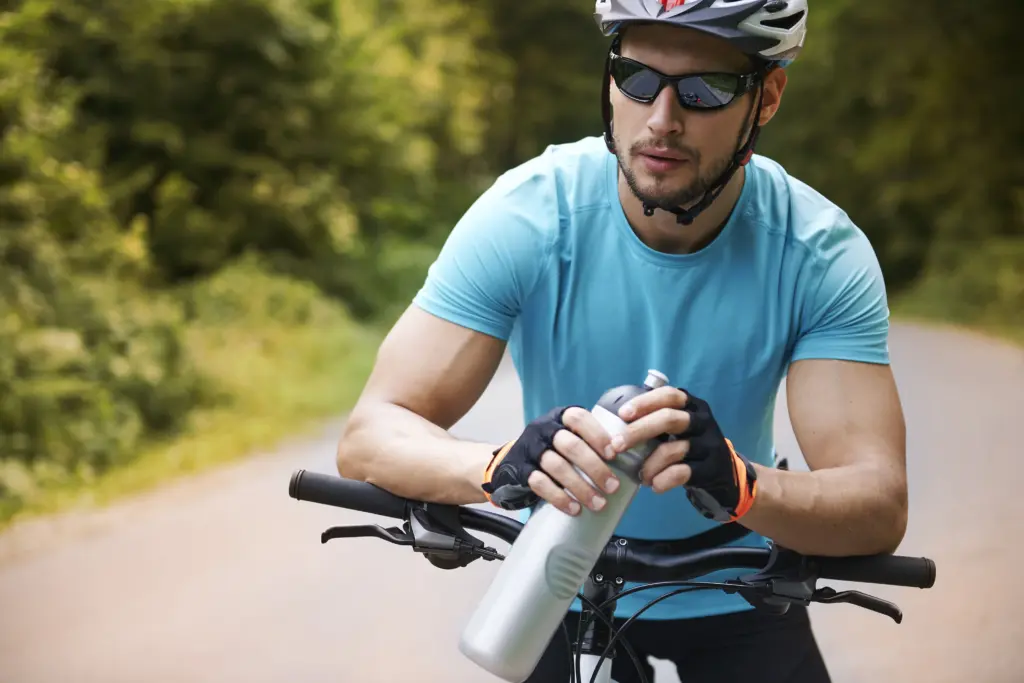
A hydration pack is a small backpack with a water reservoir inside and a hose over your shoulder, so you sip hands-free instead of fishing for a bottle. You bite the valve, draw water, and keep both hands on the bars, which is safer on a loose fire-road descent above Brentwood than reaching into a cage. Most packs also carry a tube, a multi-tool, a layer, and your phone.
Do you need a hydration pack, or are bottles enough?
For a flat spin on the Marvin Braude beach path, two bottles in cages are plenty and cooler to carry. A pack earns its place when the ride is long, hot, or far from a refill: a big canyon day, a gravel loop in the Santa Monica Mountains, or a summer ride where two bottles simply are not enough water. Many Westside riders own both and grab the pack only when the ride calls for it.
Not Sure What Your LA Ride Needs? Ask the Shop Before You Buy
What size pack do you need?
Size is the choice people get wrong, usually by buying too big. A heavy, sloshing pack is miserable on a climb. Match the reservoir and the cargo space to the ride. Reservoir capacities and the right sizing for each pack are listed by the manufacturer, so check CamelBak’s official sizing rather than guessing. As a rough feel, a small reservoir covers a short ride, a mid-size one a half day, and a large one an all-day effort, but always confirm the exact capacity on the pack before you buy.
Shorter rides
For a one to two hour ride, a low-profile pack with a small reservoir keeps weight down and still carries a tube and tool. You want it light and close to the body.
Long gravel and trail days
For a half day in the canyons or a gravel adventure where refills are scarce, step up to a larger reservoir and a bit more storage for food, a layer, and spares. Carry what the ride needs, not more.
How should a pack fit when you are on the bike?
Fit is what separates a pack you forget you are wearing from one you cannot wait to take off. On the bike your torso is bent forward, so fit it in that position, not standing in the shop. The pack should sit high and snug against your back with the sternum strap and hip belt firm so it does not sway when you stand to climb or rail a corner. A bouncing pack wrecks your balance on technical ground. Come try one on over a jersey, and we will check it in a riding position.
How do you clean a pack?
This is the step everyone skips until the water tastes funky. Rinse the reservoir and hose after every ride, and give it a real clean with a brush and warm soapy water regularly, following CamelBak’s care steps for your model. The key is drying it fully: store the reservoir open, propped so air gets inside, and never sealed wet in a hot garage, which is exactly how mold starts in an LA summer. A cheap reservoir-and-hose brush set makes this a two-minute job. One tip from the bench: replace the bite valve or hose if the plastic cracks or the water starts tasting off, since those parts are cheap and that is where trouble hides. Cared for, a reservoir lasts years; neglected, you toss it in a season.
Hot take: The biggest pack mistake is not the brand; it is buying too much water. Riders see a 3-liter reservoir and fill it for a 90-minute ride, then haul five extra pounds up every climb. Carry the water the ride needs and no more. On the Westside you are rarely more than a few miles from a refill, so size down and climb faster.
Planning where to use it? Our guides to gravel bike riding near West LA and the best West LA bike routes map the long, dry rides where a pack earns its keep.
Which LA rides call for a pack?
Reach for a pack on the big canyon climbs above Brentwood and Pacific Palisades, on gravel and fire-road days in the Santa Monica Mountains where refills are scarce, and on any long summer ride when two bottles will not cut it. Leave it home for the flat, shaded, refill-friendly beach path. Match the pack to the ride and you carry exactly what you need. A summer habit worth stealing: freeze the reservoir half full the night before, then top it with water in the morning, so you get cold water deep into a hot canyon climb when a warm bottle would be miserable.
Shop Packs at Our Westwood Shop, Call (310) 400-0363
Frequently Asked Questions
What a trail bike is, where you can legally ride near West LA, how to set one up, and when to service the suspension.
Do I really need a pack for LA cycling?
A pack is worth it for long, hot, or remote rides like the Santa Monica Mountains, where bottles run short. For a flat beach-path spin with easy refills, bottles are usually enough.
What size pack should I buy?
Buy a small pack for rides under two hours and a larger reservoir for long gravel or trail days. Check the manufacturer’s sizing, and avoid buying more capacity than your ride needs.
How should a pack fit on the bike?
A pack should sit high and snug with the sternum and hip straps firm, so it does not bounce when you climb or corner. Fit it in a riding position, not standing upright.
How do I keep a pack from getting moldy?
Rinse the pack after every ride, clean it with a brush and soapy water, and dry it fully with the reservoir propped open. Never store it sealed and wet, especially in a hot LA garage.
Can I use a hiking pack for cycling?
You can, but a cycling-specific pack sits lower and tighter so it does not sway on the bike. A hiking pack often bounces when you ride hard.
Visit the shop
Bike Improve 10927 Santa Monica Blvd, Los Angeles, CA 90025 (between Westwood and Veteran) Phone: (310) 400-0363 Hours: Sunday to Friday, 11 AM to 5 PM. Closed Saturday.